
Heart Medication Interaction Checker
Check if you're taking any of the dangerous combinations highlighted in our article. Select the medications you're currently taking, then click "Check for Interactions" to see if there are any serious risks.
Select Your Medications
Check all medications you're taking. This tool identifies combinations highlighted in our article as potentially dangerous.
Every year, thousands of people end up in the hospital-not because their heart condition got worse, but because of what they took with their heart medication. It’s not always the drug itself that’s dangerous. Sometimes, it’s what’s mixed in with it. A simple over-the-counter painkiller, a herbal supplement, or even a glass of wine can turn a safe treatment into a life-threatening mix. If you or someone you love is on heart meds, this isn’t just a warning-it’s a necessity to understand.
Why Some Medications Don’t Play Well Together
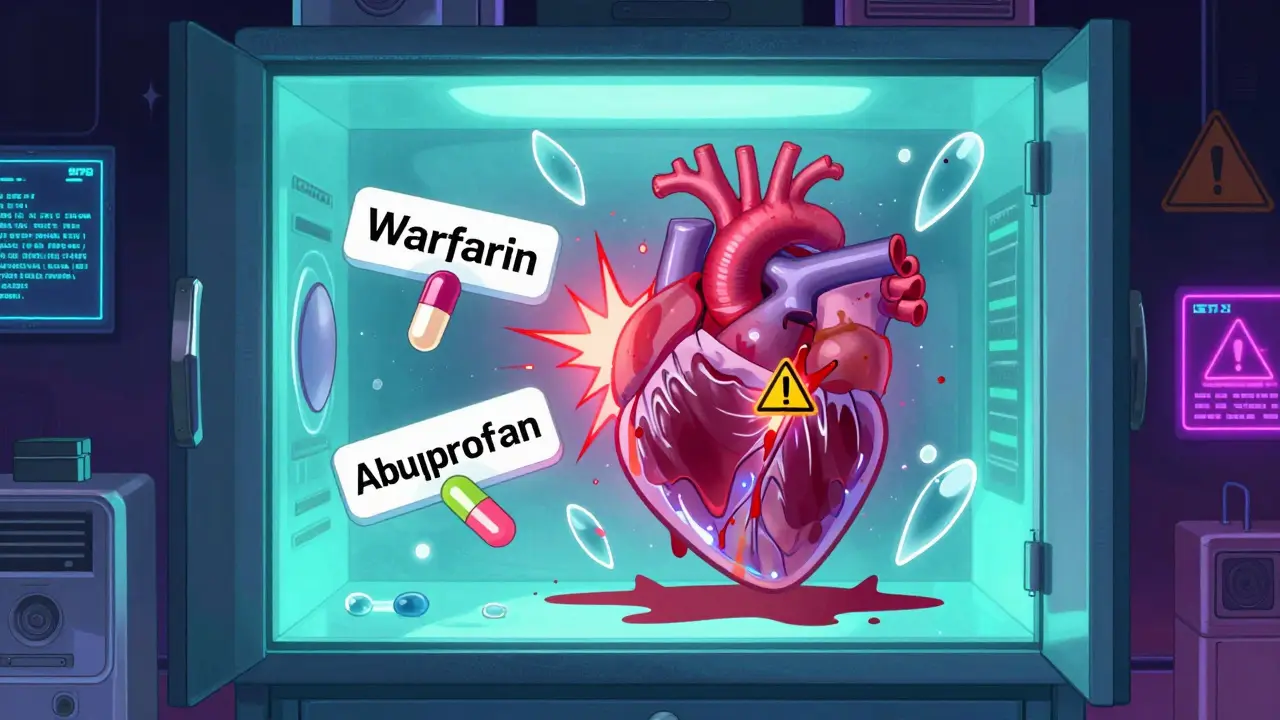
Heart medications work by controlling blood pressure, regulating rhythm, thinning blood, or lowering cholesterol. But when two or more of these drugs are taken at the same time, they can interfere with each other’s actions. The body doesn’t treat them as separate agents. Instead, they compete, amplify, or block each other in ways that can be deadly.Take warfarin, a blood thinner used to prevent strokes. It’s precise. Too little, and clots form. Too much, and you bleed internally. Now add ibuprofen-a common pain reliever. Studies show this combo raises the risk of gastrointestinal bleeding by 300%. Why? Ibuprofen damages the stomach lining, and warfarin prevents your blood from clotting to stop the bleed. The result? Uncontrolled bleeding that can land you in the ER.
Or consider statins, used to lower cholesterol. When paired with amiodarone-a drug for irregular heartbeat-the risk of muscle damage (myopathy) spikes by 400-500%. The liver can’t break down both drugs at once, so statin levels build up until muscle tissue starts breaking down. That can lead to kidney failure.
These aren’t rare cases. In 2023, a major study from the USC Schaeffer Center found that older adults taking just two medications with cardiovascular side effects doubled their risk of heart attack or stroke. Those on three or more? Their risk jumped 218%.
The Seven Most Dangerous Combinations
Not all drug mixes are created equal. Some are quietly lurking in medicine cabinets. Here are the seven combinations that carry the highest risk:- Warfarin + Ibuprofen (or other NSAIDs): As mentioned, this combo causes severe internal bleeding. Even occasional use of ibuprofen, naproxen, or aspirin can spike INR levels dangerously. Diclofenac and ketorolac are even worse.
- Warfarin + Acetaminophen (Tylenol): This one surprises people. Long-term use of acetaminophen (more than 2 grams daily for over a week) can raise INR by 2-3 points, making blood dangerously thin.
- PDE-5 inhibitors (Viagra, Cialis) + Nitrates (nitroglycerin): This is a medical emergency waiting to happen. PDE-5 inhibitors relax blood vessels. Nitrates do the same. Together, they can crash systolic blood pressure below 70 mmHg-enough to cause fainting, heart attack, or death.
- Statins + Amiodarone: Amiodarone blocks the enzyme that clears statins from the body. The result? Toxic buildup. Muscle pain, weakness, dark urine-signs of rhabdomyolysis. This combo is so risky that doctors often avoid prescribing them together.
- ACE inhibitors + Potassium supplements: ACE inhibitors help the kidneys remove sodium but keep potassium. Add a potassium pill or salt substitute, and potassium levels can spike past 5.5 mEq/L. That’s above the safe limit. High potassium can stop your heart. One 2021 study found 18.7% of patients on this combo had dangerous levels-compared to just 4.2% who weren’t.
- Digoxin + Verapamil: Verapamil slows the clearance of digoxin, a drug for heart failure and atrial fibrillation. Serum digoxin levels can rise 60-75%. That leads to nausea, confusion, visual disturbances, and fatal arrhythmias.
- NSAIDs + Blood Pressure Medications (like lisinopril or losartan): NSAIDs reduce the effectiveness of ACE inhibitors and ARBs by 25-30%. They also cause fluid retention, raising blood pressure instead of lowering it. Many patients don’t realize their “blood pressure pill” isn’t working because they’re taking Advil for a headache.
Supplements You Didn’t Know Were Dangerous
People think “natural” means “safe.” It doesn’t. St. John’s wort, turmeric, garlic, and ginseng all interact with heart meds.St. John’s wort speeds up liver enzymes that break down warfarin, making it less effective. One patient in a Reddit thread reported their INR dropped from 3.0 to 8.0 after taking it for a week-leading to a stroke. Turmeric (curcumin) has blood-thinning effects, so combining it with clopidogrel or rivaroxaban can cause uncontrolled bleeding. Garlic supplements can also thin blood and lower blood pressure too much when paired with beta blockers.
Even fish oil, often recommended for heart health, can increase bleeding risk when taken with anticoagulants. The American Heart Association says it’s fine at doses under 3 grams daily-but many people take more, thinking “more is better.” It’s not.
What About Alcohol?
Alcohol isn’t just a social drink. It’s a drug. And with heart meds, it’s a silent partner in danger.With beta blockers, alcohol can drop blood pressure too low, causing dizziness or fainting. With diuretics, it dehydrates you, making electrolyte imbalances worse. With statins, it increases liver stress. And with opioids (sometimes prescribed for heart-related chest pain), alcohol can slow breathing to dangerous levels-below 8 breaths per minute.
There’s no safe amount when these drugs are in play. If you’re on heart meds, skip the wine. Skip the beer. Even one drink a day adds up.
Who’s at Highest Risk?
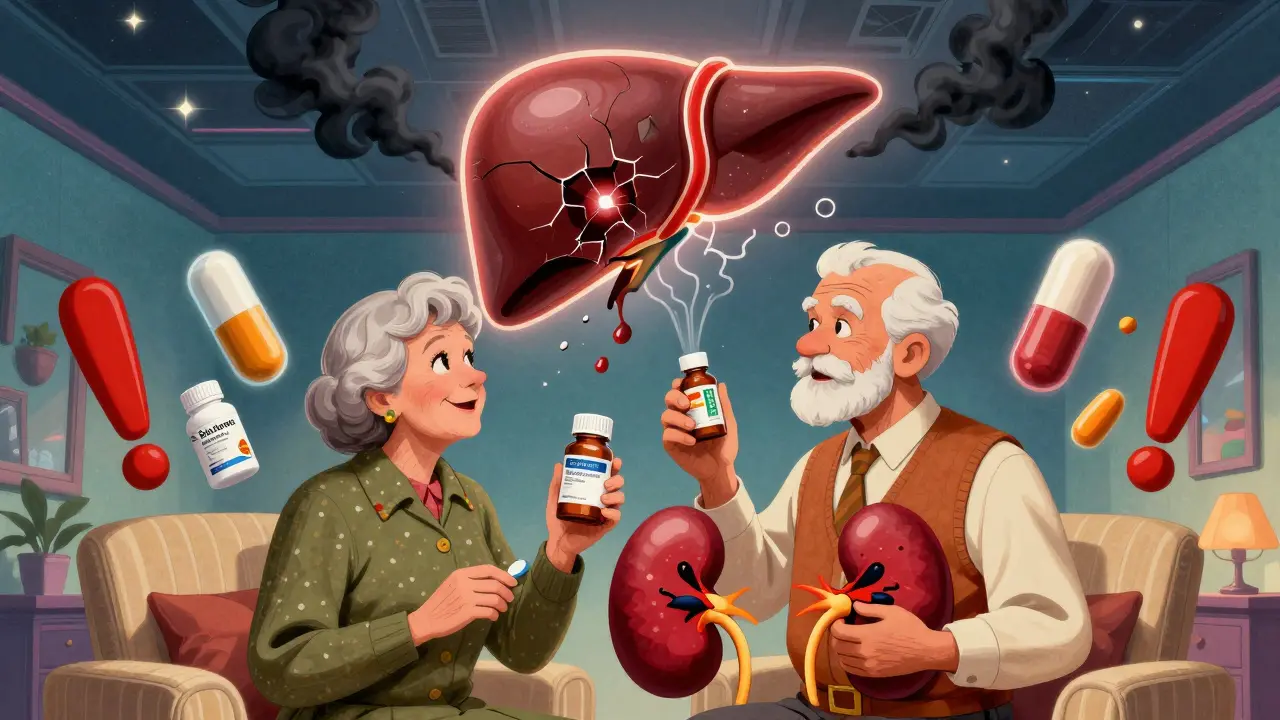
The problem isn’t just about what you take-it’s about who you are.People over 65 are the most vulnerable. Nearly 60% of older adults take five or more prescriptions weekly. Many see multiple doctors, each prescribing without knowing what the others have ordered. A 2022 survey found that 41% of heart patients had taken at least one dangerous combination in the past year.
Women are more likely than men to be on multiple medications. And because they often manage family health, they’re more likely to self-medicate with OTC drugs for headaches, arthritis, or sleep issues-without telling their cardiologist.
Even young people aren’t immune. A 28-year-old with congenital heart disease on warfarin and a beta blocker took ibuprofen for a sports injury. She ended up in the ICU with a GI bleed. She didn’t think it mattered because she was “young and healthy.”
How to Protect Yourself
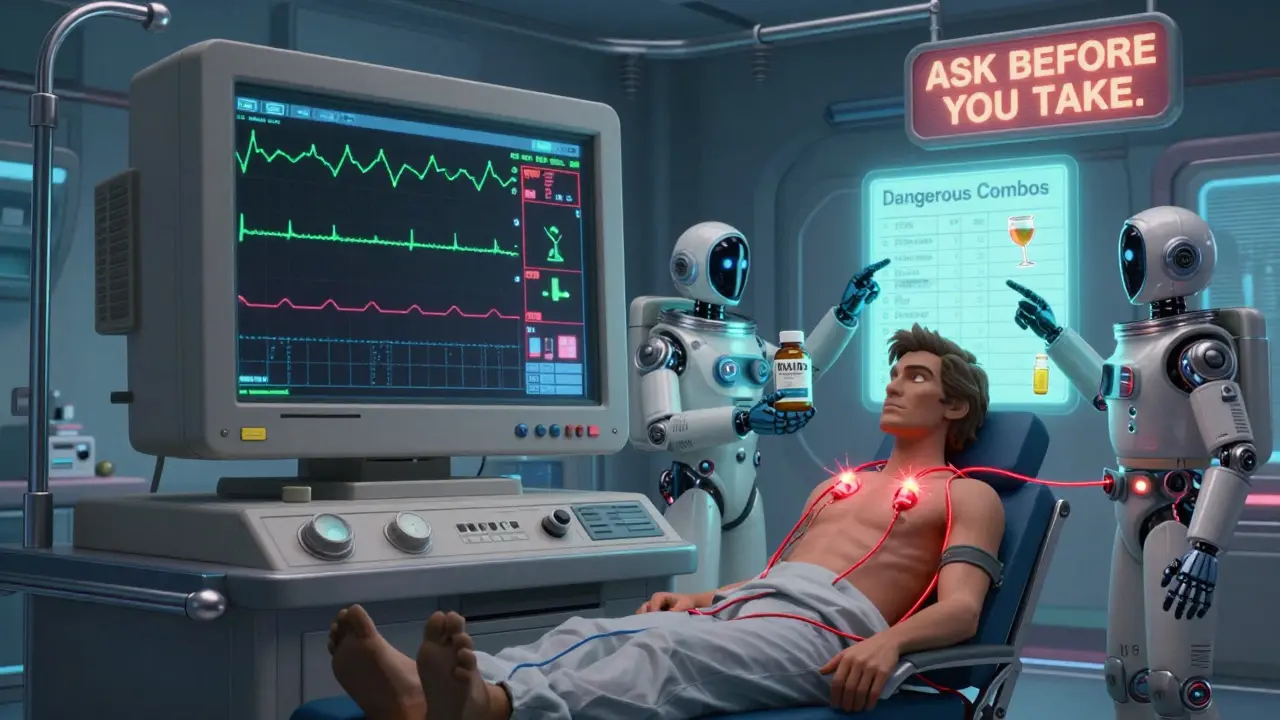
The good news? Almost all of these dangers are preventable.- Keep a written list of every medication, supplement, and OTC drug you take-including exact doses (e.g., “lisinopril 10 mg daily,” not “blood pressure pill”). Update it every 30 days.
- Use one pharmacy for all your prescriptions. Pharmacists are trained to catch interactions. They’ll flag a problem before you even leave the counter.
- Ask your pharmacist every time you get a new prescription: “What should I avoid taking with this?” Don’t wait for them to ask.
- Check supplements with your doctor. Just because it’s sold in a health food store doesn’t mean it’s safe with your meds.
- Review your list with your doctor at least twice a year. Bring the list. Don’t rely on memory.
- Never stop or start a drug without talking to your provider-even if it’s just aspirin or a vitamin.
Medicare Part D now covers a full medication review with a pharmacist-20 to 30 minutes, free of charge. Use it. It’s not a formality. It’s a lifesaver.
What’s Changing in 2026?
The system is finally catching up. In 2023, the FDA mandated black box warnings on 27 cardiovascular drugs for dangerous combinations. In 2024, Medicare required all Part D plans to screen for interactions during medication reviews.AI tools are being rolled out in hospitals to flag risky combos before prescriptions are filled. AstraZeneca launched a new fixed-dose pill in early 2024 combining three heart failure drugs-reducing the number of pills and the chance of interaction.
But technology alone won’t fix this. The biggest risk isn’t the drugs. It’s silence. Patients don’t tell doctors about OTC meds. Doctors don’t ask. Pharmacists are overwhelmed. And the result? Preventable deaths.
Knowledge is power. But action is what saves lives.