
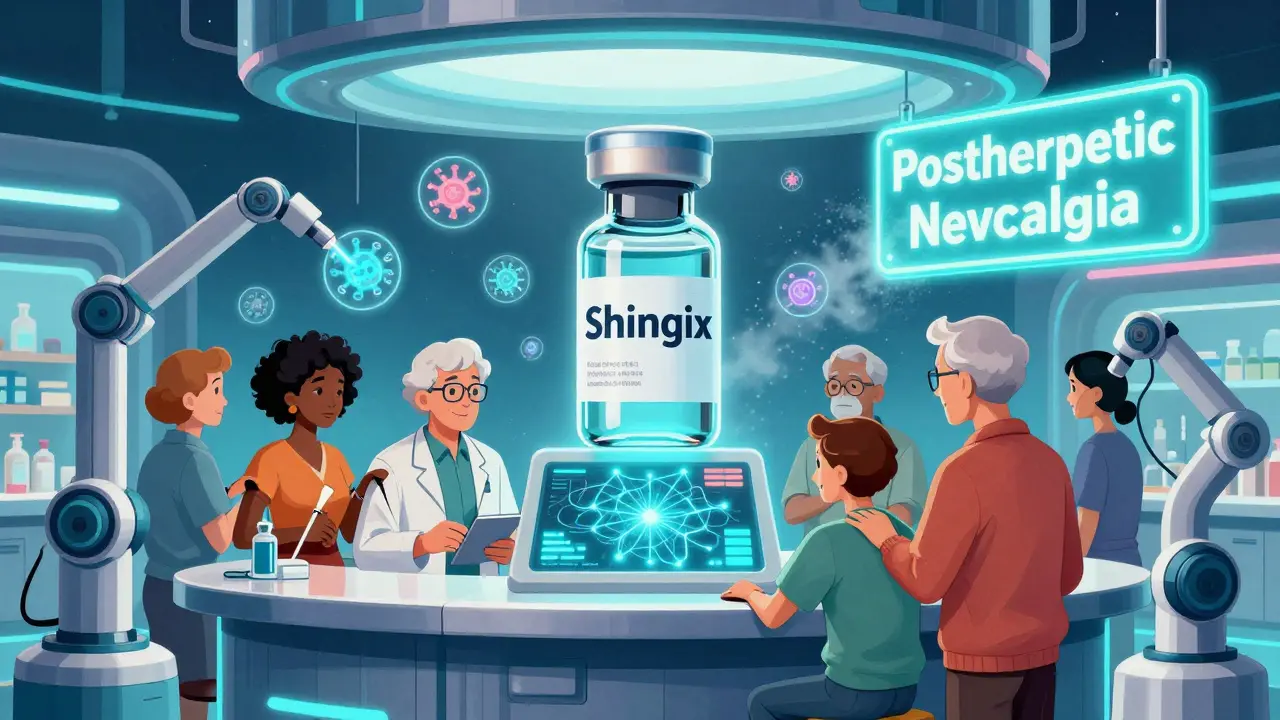
Shingles isn’t just a rash. For many people, it’s months of burning pain, sleepless nights, and a risk of long-term nerve damage called postherpetic neuralgia. The good news? There’s a vaccine that works better than anything we’ve had before: Shingrix, the recombinant zoster vaccine (RZV). But who exactly should get it? And why is it now the only option in the U.S.?
Shingrix Is the Only Shingles Vaccine Available in the U.S.
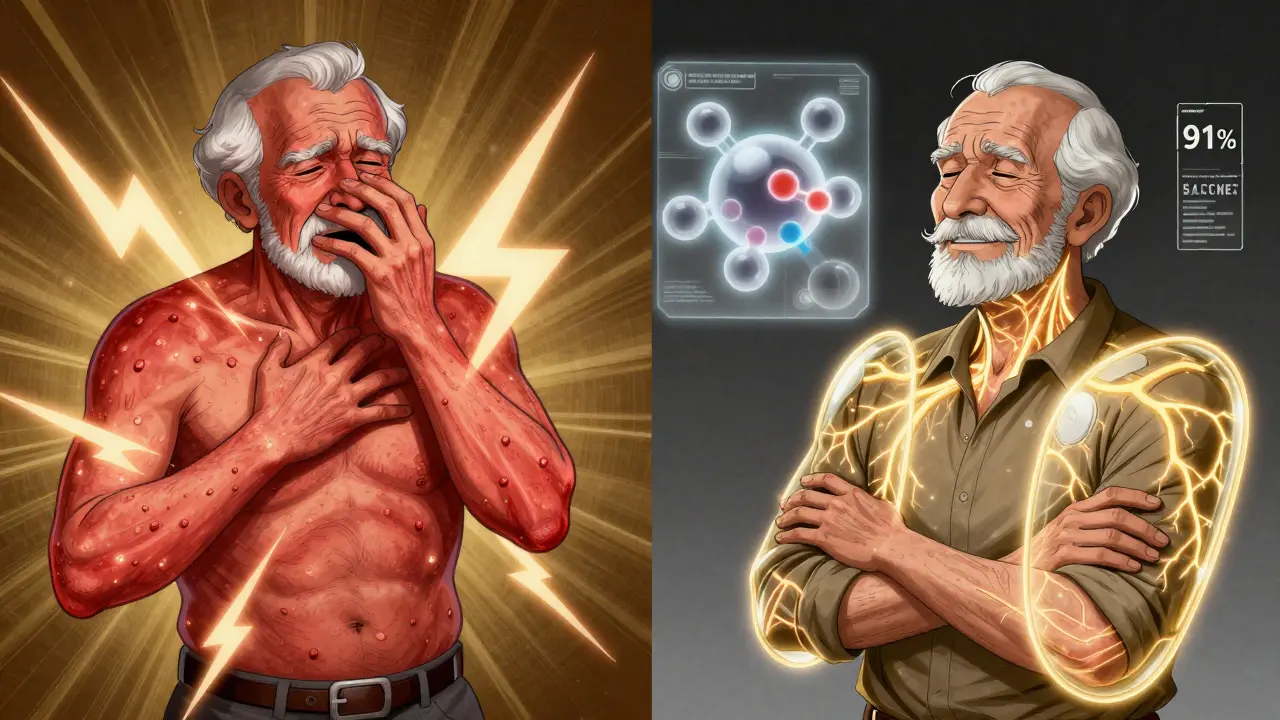
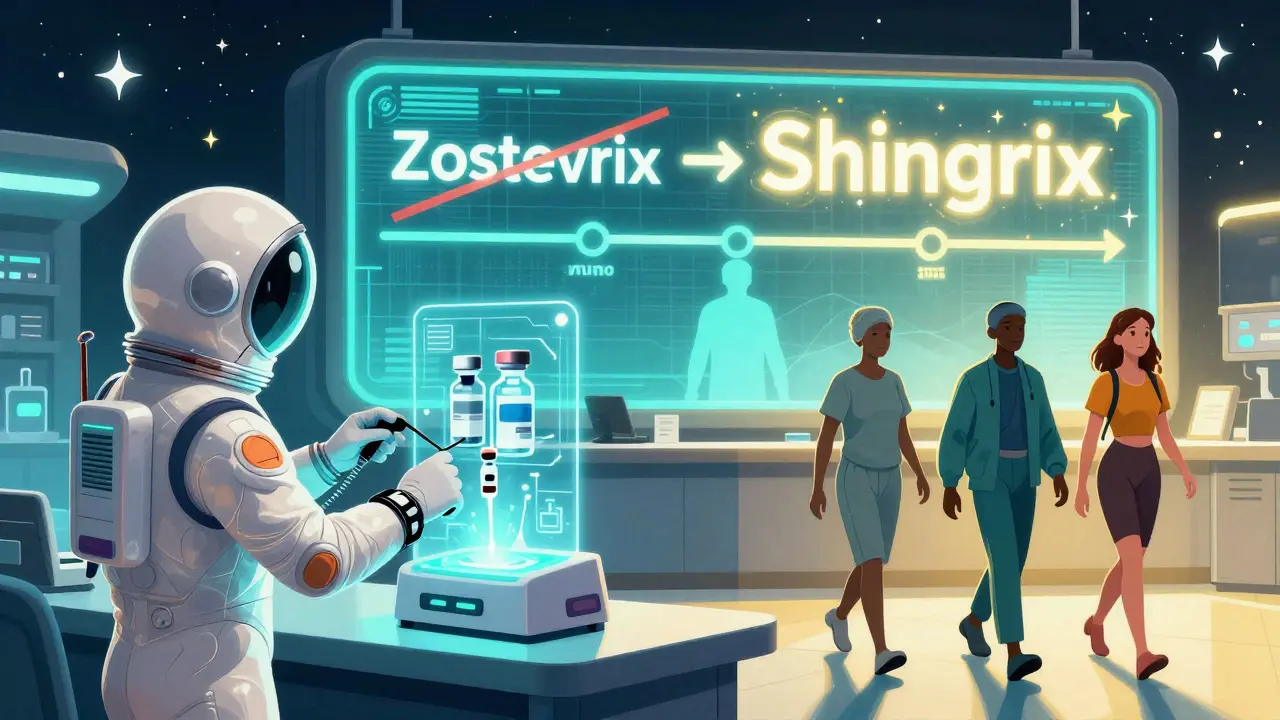
If you remember Zostavax - the older shingles shot that required just one dose - you’re not alone. But that vaccine was discontinued in the U.S. in November 2020. Why? Because Shingrix is simply better. It’s not just slightly more effective. It’s dramatically more effective. While Zostavax prevented about half of shingles cases, Shingrix prevents over 90% across all age groups. For people over 70, it still stops 91% of shingles and 89% of the worst complication: long-lasting nerve pain. That’s why the CDC says Shingrix is the only vaccine you need.
Who Should Get Shingrix? (The Simple Answer)
The CDC’s recommendation is clear: Every adult 50 years and older should get two doses of Shingrix, no matter what. You don’t need to have had shingles before. You don’t need to be at high risk. You just need to be 50 or older. That’s about 85 million people in the U.S. alone.
But there’s another group that’s just as important - and often overlooked. Adults 19 years and older who are or will be immunocompromised should also get Shingrix. This includes people with:
- HIV/AIDS
- Cancer (especially those on chemotherapy or immunotherapy)
- Organ transplants
- Autoimmune diseases like lupus or rheumatoid arthritis
- People taking high-dose steroids or biologic drugs
These individuals are at much higher risk of severe shingles. And because Shingrix isn’t a live vaccine, it’s safe for them. Zostavax, the old shot, was a live virus - dangerous for people with weak immune systems. Shingrix doesn’t have that risk.
How the Vaccine Works - And Why It’s So Effective
Shingrix doesn’t contain the live virus. Instead, it uses a piece of the virus - a protein called glycoprotein E - along with a powerful adjuvant (AS01B) that tricks your immune system into going into overdrive. Think of it like giving your body a detailed wanted poster of the virus, then turning up the alarm bells. This is why it works so well in older adults, whose immune systems naturally weaken with age.
Studies show:
- 97.2% effective in people 50-59
- 97.4% effective in people 60-69
- 91.3% effective in people 70+
And it’s not just about preventing shingles. It cuts the risk of postherpetic neuralgia - the pain that can last for years - by 91% in younger adults and 89% in older ones. That’s more than double the protection of the old vaccine.
What to Expect After the Shot
Shingrix isn’t known for being gentle. About 80% of people feel pain, redness, or swelling at the injection site. Nearly half report muscle aches. About 40% feel tired. One in three gets a headache. One in five shivers or runs a fever. These aren’t rare side effects - they’re normal.
Most people feel like they’ve been hit by a truck for 24-48 hours. Some can’t work or do chores. But here’s the thing: these symptoms fade within 2-3 days. And they’re a sign your immune system is doing its job. People who’ve had shingles before often say, “I’d take three days of feeling awful to avoid another shingles outbreak.”
Dosing Schedule: Two Shots, Not One
Shingrix requires two doses. The first shot gets your immune system ready. The second one locks in long-term protection. The standard gap is 2 to 6 months. But if you’re immunocompromised, the CDC says you can get the second shot as early as 1-2 months after the first. That’s important - you don’t want to wait too long if your immune system is already under pressure.
What if you already got Zostavax? You still need Shingrix. The CDC recommends waiting at least 8 weeks after Zostavax before getting Shingrix. But if it’s been years? Go ahead. You’ll still get full protection. There’s no downside.
Who Should Skip Shingrix?
Very few people should avoid it. The only real reason not to get Shingrix is if you’ve had a severe allergic reaction (anaphylaxis) to any part of the vaccine or to a previous dose. That’s extremely rare.
If you’re sick with a fever or a bad infection right now, wait until you’re better. But a cold, allergies, or mild illness? Go ahead. Don’t delay.
Also - no, you can’t get shingles from the vaccine. It doesn’t contain the live virus. The sore arm? That’s your immune system reacting. Not the virus.
Cost and Coverage: Is It Affordable?
Shingrix costs about $175 for the full two-dose series. That sounds steep - until you realize Medicare Part D covers it at 100% for most people. Most private insurers do too. If you’re over 50 and on Medicare, you likely pay nothing out of pocket. If you’re under 50 but immunocompromised, check your plan. Many private insurers cover it for high-risk patients under 50, even if it’s not yet part of routine guidelines.
Compare that to the cost of shingles treatment: doctor visits, antiviral drugs, nerve pain medications, physical therapy, lost wages. One outbreak can cost thousands. Shingrix is a one-time investment that saves more than it costs.
Why Vaccination Rates Are Still Too Low
Even though Shingrix is the best tool we have, only about 35% of adults over 60 have gotten both doses. Why? Three reasons:
- It’s two shots. People forget the second one. Or they don’t want to go back.
- The side effects. Some people hear “fatigue, pain, fever” and decide it’s not worth it.
- Lack of doctor recommendation. Many primary care providers still don’t bring it up. They assume patients know. They don’t.
That’s why pharmacists are now key players. Most pharmacies offer Shingrix without a prescription. You can walk in, get screened, and get both doses in one trip. No doctor’s note needed. Ask your pharmacist next time you’re there.
What Happens If You Don’t Get It?
Shingles can strike anyone who’s had chickenpox - and that’s 95% of adults. The virus stays hidden in your nerves for decades. Then, for no clear reason, it wakes up. Older adults, especially those over 70, are at highest risk. And the older you are, the worse it gets.
One in five people who get shingles develop postherpetic neuralgia. That pain can last years. Some people can’t sleep. Some can’t wear clothes. Some can’t work. It’s not just “a rash.” It’s a life-altering condition. And once it happens, there’s no cure. Only management.
Shingrix cuts that risk by more than 90%. That’s not a small win. It’s a game-changer.
Final Takeaway: Get Both Doses
If you’re 50 or older - get Shingrix. If you’re 19 or older and immunocompromised - get Shingrix. It doesn’t matter if you’ve had shingles before. It doesn’t matter if you got Zostavax. Two doses of Shingrix is the gold standard. The side effects are temporary. The protection lasts at least 7 years - and likely longer. The cost? Often free. The risk of skipping it? You could end up in pain for years.
Don’t wait until you’re sick. Talk to your doctor. Walk into a pharmacy. Get both shots. Your future self will thank you.
Can I get Shingrix if I’ve already had shingles?
Yes. Having shingles doesn’t give you lifelong immunity. The virus can reactivate again. The CDC recommends getting Shingrix even if you’ve had shingles before. Wait until the rash has fully healed before getting vaccinated.
Is Shingrix safe for people with autoimmune diseases?
Yes. Because Shingrix is not a live vaccine, it’s safe for people with autoimmune conditions like lupus, rheumatoid arthritis, or multiple sclerosis - even if they’re on immunosuppressant drugs. In fact, it’s strongly recommended for them. The risk of shingles complications is much higher in these patients.
Can I get Shingrix at the same time as my flu shot or COVID-19 booster?
Yes. Shingrix can be given at the same visit as other vaccines, including flu, pneumonia, and COVID-19 shots. You’ll get them in different arms. There’s no need to space them out. Your immune system can handle it.
How long does Shingrix protection last?
Studies show protection lasts at least 7 years, and modeling suggests it could last 15-20 years. So far, no booster is recommended. If you got both doses, you’re covered for at least a decade. Ongoing research continues to monitor long-term effectiveness.
Why is Shingrix more expensive than the old vaccine?
Shingrix costs more upfront because it’s a two-dose series and uses advanced technology (the adjuvant system) to boost immunity. But most insurance plans, including Medicare Part D, cover it fully. The real cost isn’t the price - it’s the cost of shingles treatment, which can run into thousands of dollars. Shingrix saves money in the long run.
Daniel Dover
February 14, 2026 AT 23:16Betty Kirby
February 16, 2026 AT 12:51Josiah Demara
February 17, 2026 AT 14:49Mandeep Singh
February 17, 2026 AT 15:22Kapil Verma
February 18, 2026 AT 03:04Michael Page
February 18, 2026 AT 12:23Joe Grushkin
February 19, 2026 AT 17:35Virginia Kimball
February 20, 2026 AT 14:34Kaye Alcaraz
February 21, 2026 AT 04:23Chiruvella Pardha Krishna
February 22, 2026 AT 07:18Sarah Barrett
February 22, 2026 AT 15:09Erica Banatao Darilag
February 23, 2026 AT 21:03