

Every year, millions of Americans take medications they don’t need, at the wrong dose, or in ways that clash with other drugs they’re using. Many of these mistakes lead to side effects-dizziness, nausea, confusion, falls, even hospital stays-that are often blamed on aging or bad luck. But here’s the truth: annual medication review with a pharmacist can stop most of them before they start.
Why Your Doctor Might Not Catch These Problems
Your doctor has 15 minutes. You’ve got five prescriptions, three over-the-counter pills, a handful of supplements, and maybe a new symptom like fatigue or memory lapses. You don’t mention the fish oil because you think it’s harmless. You forget to say you’ve been skipping your blood pressure pill because it makes you dizzy. And your doctor? They’re focused on your blood sugar, your cholesterol, your last lab result. Medications? They’re checked off as "on file." That’s where pharmacists step in. Unlike doctors, pharmacists are trained to see the full picture of your meds-not just what’s prescribed, but what you’re actually taking. They know how drugs interact. They spot duplicates. They recognize when a side effect isn’t "just getting older," it’s a reaction to a combo of pills you’ve been on for years.What Happens During an Annual Medication Review
An annual medication review isn’t just a quick chat. It’s a 30-minute deep dive into every substance you put in your body. Here’s how it works:- Bring everything. Prescription bottles, OTC painkillers, vitamins, herbal teas, CBD gummies-even the ones you only take when you feel bad. Don’t trust your memory. Bring the actual bottles or a printed list with names, doses, and how often you take them.
- Ask the "why" questions. The pharmacist will go through each item: "Why were you prescribed this?" "Are you still having the problem it was meant to fix?" "Have you noticed any new symptoms since you started it?"
- Find the risks. They’ll check for overlaps (like taking two different sleep aids), dangerous combos (like blood thinners with certain NSAIDs), and doses that are too high for your age or kidney function.
- Make a plan. You might learn you can stop one pill entirely. Or switch to a cheaper version. Or take your statin at night instead of morning to cut muscle pain. The goal isn’t to take fewer pills-it’s to take the right ones, safely.
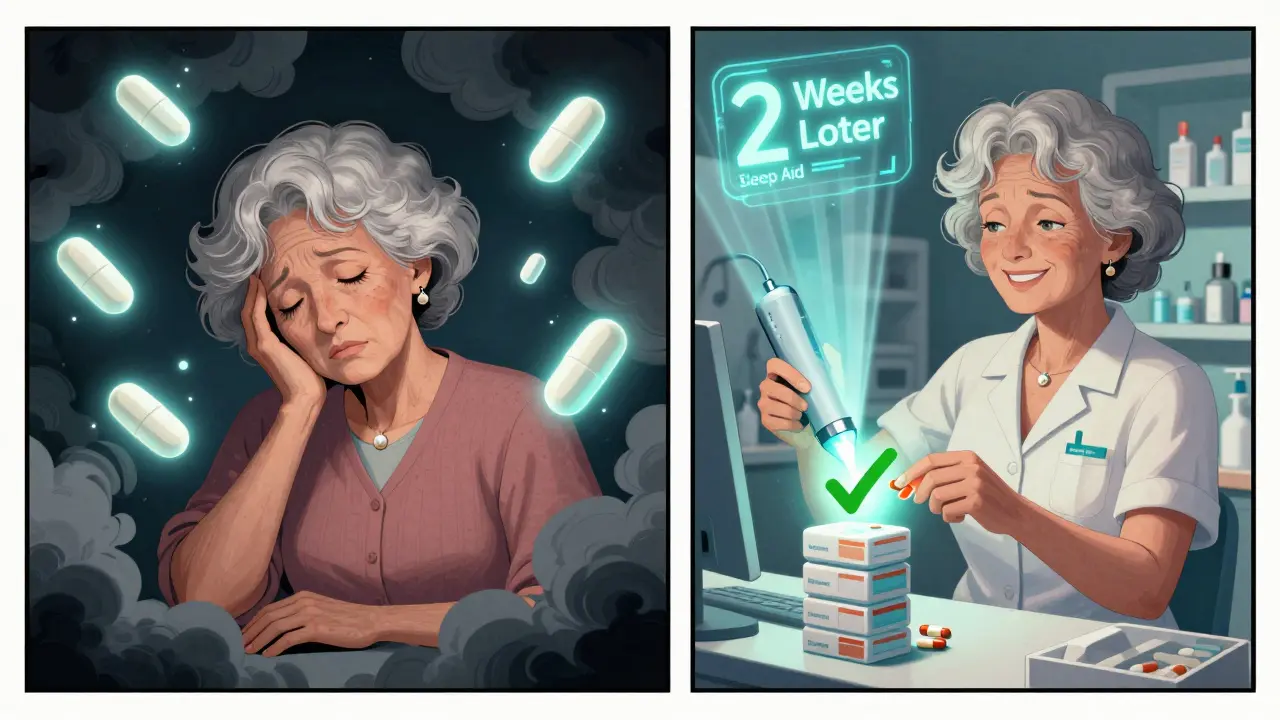
One patient, 72, came in feeling constantly tired. She was on eight medications, including a sleep aid, a muscle relaxant, and a painkiller-all of which depress the central nervous system. The pharmacist found they were stacking up. After cutting two and adjusting the dose of a third, her energy returned within two weeks. She didn’t realize the fatigue wasn’t normal aging-it was medication overload.
Who Benefits the Most
This isn’t just for seniors. But if you’re 65 or older and taking four or more regular medications, you’re in the highest-risk group. The CDC says about 40% of older adults are on this many drugs. That’s called polypharmacy-and it’s one of the leading causes of preventable hospital visits. You’re also a strong candidate if:- You’ve been hospitalized recently for a reaction to a drug
- You’ve noticed memory lapses, confusion, or balance issues
- You’re seeing multiple doctors who each prescribe something new
- You’re taking medications for chronic conditions like diabetes, heart disease, or arthritis
- You’re struggling to remember when to take your pills
Even if you’re younger, if you’re on five or more meds-including supplements-this review can save you from long-term harm. A 45-year-old with anxiety, acid reflux, and high blood pressure might be taking a drug that worsens their reflux. A pharmacist can spot that.
What You’ll Save-Beyond Side Effects
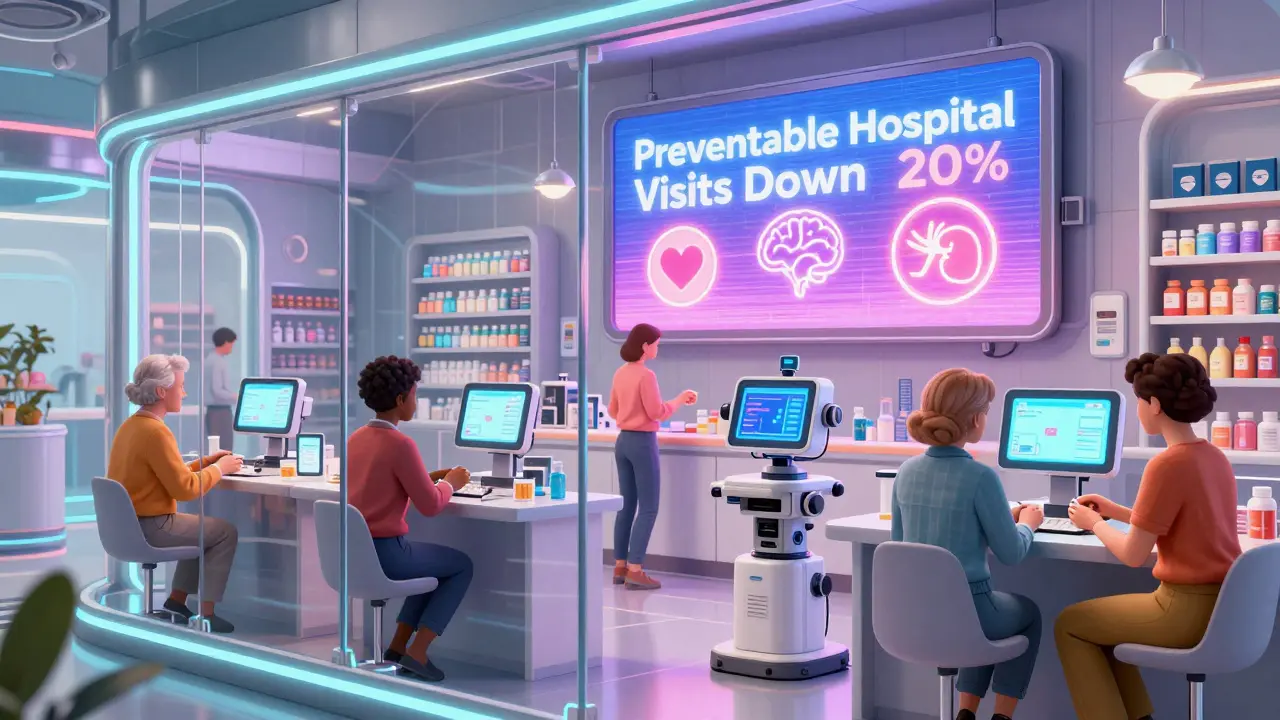
The biggest win? Fewer hospital trips. Studies show that patients who get regular medication reviews have 20% fewer emergency visits related to drug reactions. That’s not just safer-it’s cheaper. The U.S. spends $177 billion a year treating injuries from bad medication use, according to Outcomes.com. Most of that is avoidable. You’ll also save money. Pharmacists often find you’re paying for two brands of the same drug. Or you’re on a brand-name pill when a generic works just as well. One woman saved $300 a month after switching from a costly cholesterol med to a generic-and her pharmacist helped her get a patient assistance program for the rest. And you’ll feel more in control. People who’ve had a review say they finally understand why they’re taking each pill. They stop feeling like victims of their own medicine cabinet.How to Get One-And Make It Work
If you’re on Medicare Part D, you’re already eligible for a free Annual Medication Review. Call your pharmacy. Ask if they offer Medication Therapy Management (MTM). Many do. You don’t need a referral. If you’re not on Medicare, check with your private insurer. Many commercial plans now offer similar services. CVS, Walgreens, Rite Aid, and independent pharmacies with MTM programs can all do this. To get the most out of it:- Prepare your list before the appointment. Use a free app like MyMedSchedule or just write it down.
- Bring a family member or friend. It’s easy to forget details when you’re nervous.
- Ask: "Can you send a summary to my doctor?" This ensures your prescriber knows what changed.
- Follow up. If you stop a pill, check in after two weeks. Did your symptoms improve?
Don’t wait until you’re sick. The best reviews happen before the side effects become emergencies.
What Doesn’t Work
Some people think, "I just take my pills like the doctor said." But what if the doctor didn’t know you were also taking St. John’s Wort? That herb can cancel out antidepressants and raise blood pressure. Or what if you’re taking ibuprofen every day for back pain-and you have kidney disease? That’s not "following instructions." That’s a hidden risk. Also, don’t skip the review just because you feel fine. Side effects don’t always show up as pain or dizziness. Sometimes they’re subtle: weight gain, trouble sleeping, constipation, mood swings. These are red flags pharmacists are trained to connect to meds. And no, your doctor’s office can’t replace this. They don’t have the time, tools, or training to do a full review. Pharmacists are the only healthcare pros whose entire job is medication safety.The Bigger Picture
This isn’t just about pills. It’s about taking back your health. The U.S. healthcare system is built to treat crises, not prevent them. But pharmacists are changing that. With over 90% of Americans living within five miles of a pharmacy, they’re the most accessible safety net we have. By 2030, every baby boomer will be 65 or older. The number of people on five or more medications will keep climbing. Without annual reviews, the number of preventable drug reactions will rise too. The good news? We already know how to fix this. It’s not expensive. It’s not complicated. It just requires showing up-with your meds-and asking the right questions.Is an annual medication review covered by insurance?
Yes, if you’re on Medicare Part D, it’s free. Many private insurers also cover it as part of their medication management programs. Check your plan or call your pharmacy-they’ll tell you if you qualify.
Do I need to see my doctor before scheduling a review?
No. You can schedule a review directly with your pharmacist. But after the review, the pharmacist will usually send a summary to your doctor so they’re aware of any changes. You don’t need a referral.
What if I’m taking herbal supplements or vitamins?
Bring them all. Supplements aren’t harmless. St. John’s Wort, ginkgo, garlic, and even high-dose vitamin E can interfere with blood thinners, blood pressure meds, and antidepressants. Pharmacists track these interactions closely.
Can a pharmacist really stop a medication I’m on?
They can’t prescribe or cancel a prescription-but they can recommend stopping or changing a drug to your doctor. If your doctor agrees, they’ll send a new prescription or note. Most doctors follow pharmacist advice because they know pharmacists specialize in drug safety.
How often should I get a medication review?
Once a year is the standard, especially if you’re on multiple medications. But if you’ve had a major health change-new diagnosis, hospital stay, or new symptoms-schedule one right away. Don’t wait.
Kate Gile
February 3, 2026 AT 20:42Gregory Rodriguez
February 3, 2026 AT 23:58Elliot Alejo
February 4, 2026 AT 17:39Johanna Pan
February 6, 2026 AT 07:15Jenna Elliott
February 7, 2026 AT 03:15lance black
February 7, 2026 AT 22:29Pamela Power
February 8, 2026 AT 15:05anjar maike
February 9, 2026 AT 10:32Kate Gile
February 11, 2026 AT 05:52Bella Cullen
February 12, 2026 AT 16:42Sam Salameh
February 14, 2026 AT 03:51Cole Streeper
February 15, 2026 AT 23:35Jennifer Aronson
February 17, 2026 AT 07:43