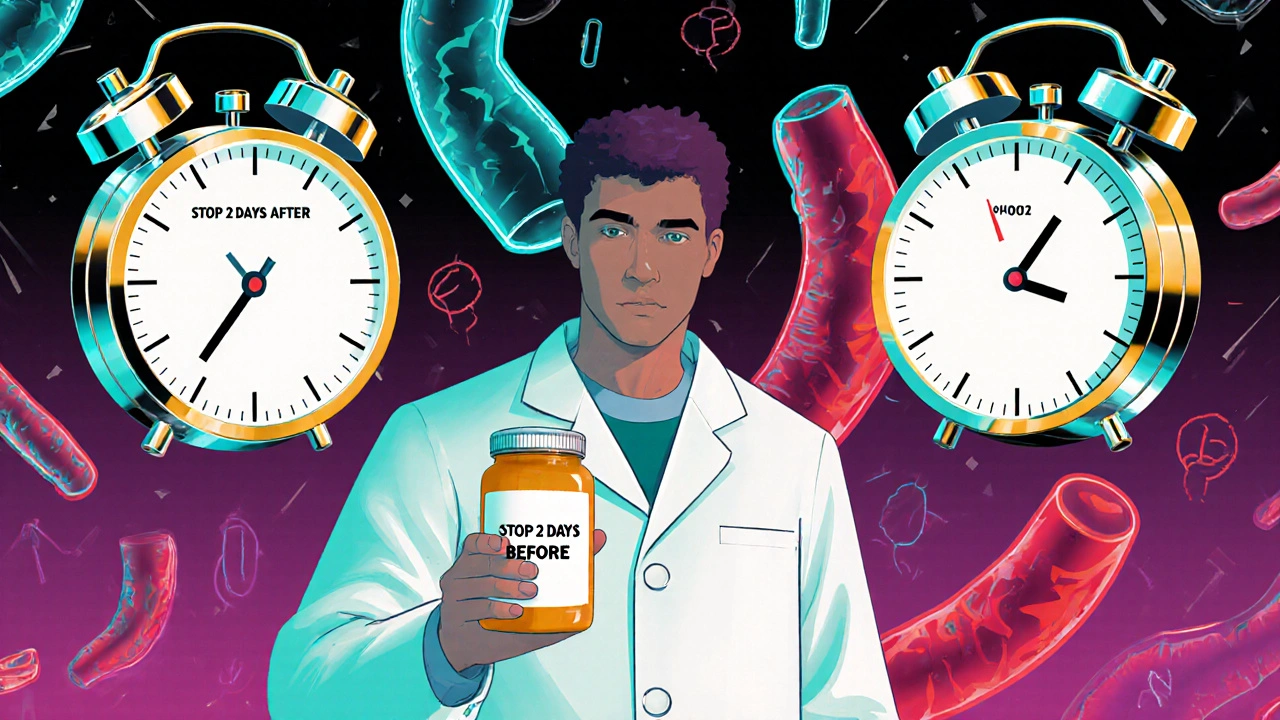
When it comes to preventing strokes and blood clots, DOAC management, the clinical approach to using direct oral anticoagulants like apixaban, rivaroxaban, dabigatran, and edoxaban. Also known as non-vitamin K antagonist oral anticoagulants, these drugs have replaced warfarin for millions because they don’t require constant blood tests or strict diet changes. But managing them isn’t just about popping a pill—you need to know when they work best, who shouldn’t take them, and what to do if something goes wrong.
Unlike warfarin, DOACs, a class of anticoagulants that directly inhibit clotting factors like thrombin or factor Xa don’t need regular INR checks. That’s a big win for patients. But they still carry risks—bleeding is the biggest one. And not all DOACs are reversed the same way. For example, idarucizumab works for dabigatran, but there’s no universal antidote for all of them. Renal function, how well your kidneys clear drugs from your body matters a lot here. If your kidneys aren’t working well, some DOACs can build up and increase bleeding risk. That’s why doctors check kidney tests before prescribing and often again after a few months.
Age, weight, and other medications also play a role. Older adults, especially those over 75, need lower doses of some DOACs. And if you’re taking something like clarithromycin or ketoconazole, it can boost DOAC levels dangerously. Even over-the-counter supplements like St. John’s wort can make them less effective. Drug interactions, how one medication changes the effect of another are a silent hazard in DOAC management. That’s why pharmacists now screen for these clashes more aggressively than ever.
What about emergencies? If someone on a DOAC has a brain bleed or needs urgent surgery, time is critical. Hospitals now keep reversal agents on hand, but not all clinics do. That’s why knowing which DOAC a patient is on—and when they last took it—is part of the first response. Some DOACs clear the body faster than others. A patient who took their pill 2 hours ago is at higher risk than someone who took it 12 hours ago.
You’ll find real-world advice in the posts below: how to handle missed doses, what to do when kidney function drops, why some patients switch from one DOAC to another, and how to spot early signs of bleeding before it becomes life-threatening. There’s no one-size-fits-all approach. But with the right knowledge, DOAC management can be simpler, safer, and more effective than ever before.